
Inside the Cheyenne County Most Wanted Program
The official Sheriff’s Office site offers no warrant-search button. Its menus lean toward public safety and services. No local most-wanted page or searchable active-warrant roster appears anywhere on it. So Cheyenne County simply has none to consult. Nothing local exists to copy, summarize, or count on as a full picture of current warrants. The state fills part of the gap. The Colorado Bureau of Investigation program curates a separate roster of selected subjects for public attention. It never claims every Cheyenne County warrant. Names, photographs, and mugshots stay on the agency’s own page, and a current answer on any order still has to come from the issuing court.
No Cheyenne County Roster Found
The county’s official pages point you toward contacts, civil services, crime reporting, detention resources, and citation payment. No local most-wanted list sits among them. That is what a visitor actually encounters. A list borrowed from a vendor or an old social post could be stale, incomplete, or tied to a different jurisdiction. Cheyenne County publishes none, so go to the court and the Sheriff directly.
Key point: No local list does not mean no local warrants; it means direct verification is the sound Cheyenne County route.
The Combined Court controls its own orders. Service and custody logistics belong to the Sheriff. Keeping those roles straight in Cheyenne County gives a better answer than any roster could, especially right after an order is issued, recalled, or served.
How Cheyenne County Most Wanted Lists Work
A most-wanted list is a curated publication. The agency picks a few priority cases and offers a tip line. An active-warrant inventory would be far broader, since many more court orders stay in force at once. The CBI program spans the whole state. That reach does not make it a Cheyenne County warrant search, and the Sheriff posts no local inventory either. Before trusting any future list, check its issuing agency, stated scope, publication or update date, correction route, and disclaimer. People drop off after arrest, surrender, or recall. An online copy can lag behind that change. Someone can also carry a warrant without ever appearing on a curated page. Note: A roster is a dated agency publication, while warrant status changes through court and law-enforcement action.
Cheyenne County Tips and Status Calls
A tip and a status check do different jobs. A tip hands law enforcement fresh facts about a possible location or an immediate risk; it never asks anyone to clear a warrant. For your own order, call the Cheyenne County Combined Court at 719-767-5649. Questions about service, custody, or safe procedure go to Sheriff dispatch at 719-767-5633. The office line is 719-767-5634.
| Question | Official route | What to ask |
|---|---|---|
| My own court status | Combined Court | Is an order active, recalled, quashed, or cancelled? |
| Service or custody | Sheriff | What is the current safe procedure? |
| Immediate danger | 911 | Give location and urgent facts |
For a records question in Cheyenne County, call the sheriff or clerk rather than an emergency line. Never approach or try to detain a person on a warrant yourself.
Sending a Most Wanted Tip Safely
Send tips through an official agency channel, with facts responders can act on safely. The CBI roster lists its own program contacts. A Cheyenne County emergency still belongs with 911. Skip public comment threads and neighborhood posts, where claims travel fast and without context.
- Open the current official agency source and verify that its contact route is still published.
- Report the place, time, direction of travel, and other direct observations. Do not guess.
- Step away and let trained officers respond. Never confront, follow, or detain anyone.
- Keep any reference number the receiving agency gives you.
Safe reporting: Use 911 for an immediate threat and the published agency channel for a non-emergency tip.
Cheyenne County Court Confirmation
The issuing court in Cheyenne County owns a warrant’s legal status. Call 719-767-5649 with a case number, ticket number, hearing date, or your full legal name and date of birth if asked. Ask whether the record shows an active warrant, a failure-to-appear event, or a later recall, quash, or cancellation. A quash sets the order aside. The Colorado Judicial docket search helps locate a case or hearing. It filters by location, date, case, party, and attorney. It carries no definitive warrant-status field. A blank result may reflect the date range, the court chosen, a restricted record, or indexing limits, so treat it as no clearance at all. For copies, the Judicial record request form exists. That form is not a live status tool either.
How Most Wanted Differs From an Active Warrant
The difference comes down to scope. A most-wanted page asks the public for help with a few agency priorities. An active warrant is a court order that stays enforceable until it is served or changed by lawful action. Most of them in Cheyenne County never need a publicity campaign.
| Feature | Most wanted | Active warrant |
|---|---|---|
| Scope | Curated subset | Individual court order |
| Public purpose | Tips on selected cases | Authorizes arrest or directs action |
| Best status source | Publishing agency | Issuing court, then sheriff |
| Absence means | Not selected or no longer shown | Nothing conclusive |
A Cheyenne County warrant can grow out of a missed appearance, felony process, a traffic case, or a town ordinance matter. No category guarantees a spot on any public list.
Cheyenne County Failure-to-Appear Context
The Colorado Judicial Branch’s FY2026 performance material counts 505 held scheduled events and 43 PFTA events for Cheyenne County from July 2024 through June 2025, an 8.51 percent rate. PFTA marks a failure to appear in stated case classes. It is not a tally of warrants. It counts no arrests, people, or most-wanted entries.
A missed court event in Cheyenne County can bring different responses depending on service, case type, and the judge's order. Notices and reminders matter for that reason. The record cannot show that a person is wanted.
Federal Warrants Beyond Cheyenne County
Federal warrants run on a separate track. A Cheyenne County warrant search will not reach them. Start instead with the U.S. District Court for Colorado through PACER, federal counsel, or the U.S. Marshals District of Colorado. The official PACER pricing page lays out the account and cost rules for federal dockets. A state roster cannot confirm federal status. A Cheyenne County answer does not clear a federal order either.
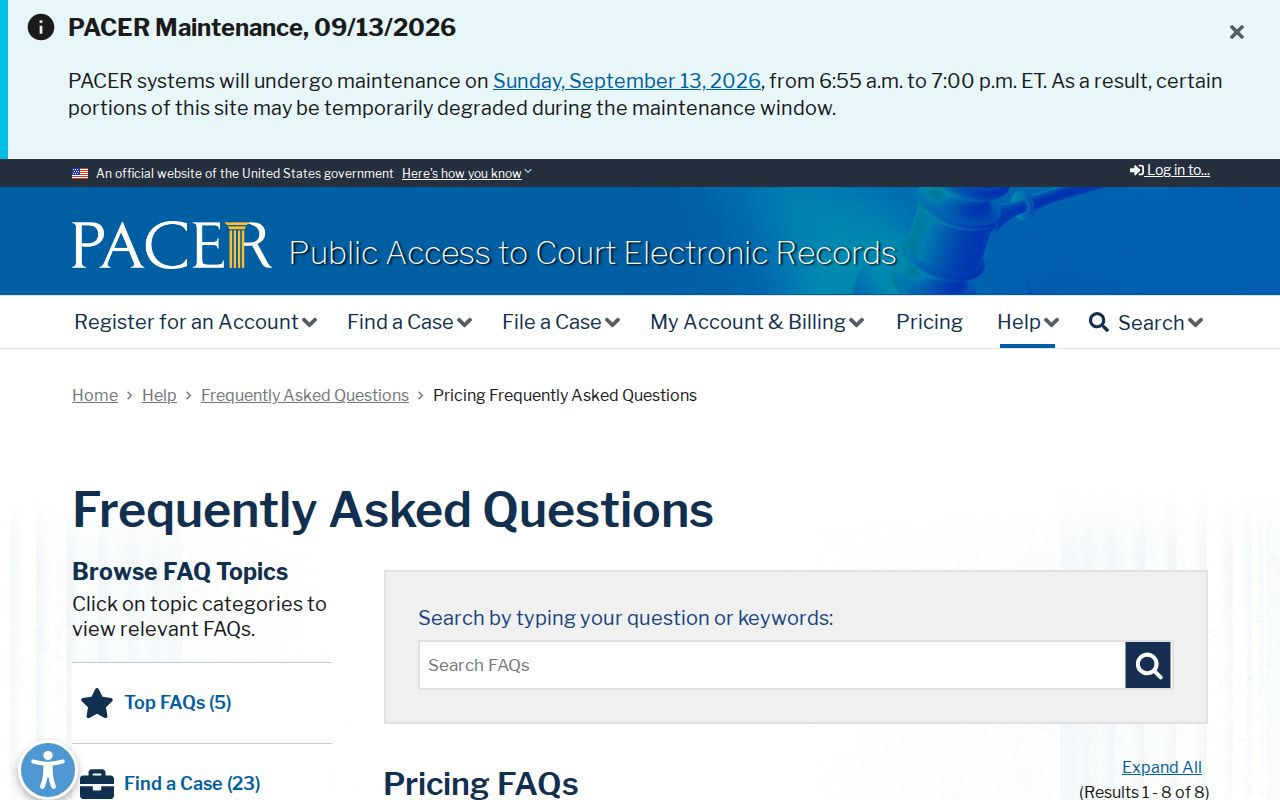
For Cheyenne County, it settles jurisdiction questions, not warrant status. It is no most-wanted roster or real-time warrant certificate.
When You Believe You Are Listed
Skip the screenshots and payment receipts. A repost proves nothing either. Talk to a lawyer first if you can, then phone the issuing Cheyenne County court and name the case. Ask what appearance, filing, bond, or hearing it takes. A bond is a formal promise to appear on set terms. It is not a private fee that wipes a Cheyenne County warrant away. Next, call the Cheyenne County Sheriff for current instructions on turning yourself in. No walk-in surrender window or bond-desk schedule is published, so arriving unannounced can mean needless risk and a wasted trip. If the court recalls or quashes the order, get that confirmed in writing or on the docket. Have your best identifiers ready before you dial. A full name alone can match more than one person. A case number, ticket number, filing year, and hearing date help staff pull the right Cheyenne County file. Ask the clerk to separate an issued warrant from a failure-to-appear notation or a later court event. If bond comes up, ask which type the judge allowed and where it can be posted. The statewide bond page lists cash, personal-recognizance, surety, and qualifying property forms. It sets no amount for a Cheyenne County case, though. Never treat a general fee table as the figure that resolves a warrant.
Act carefully: Seek legal advice and use the court and Sheriff numbers before any in-person step; do not ask a friend to test the status.